



Leaky Faucet or Hidden Leak? How to Detect Water Waste Early
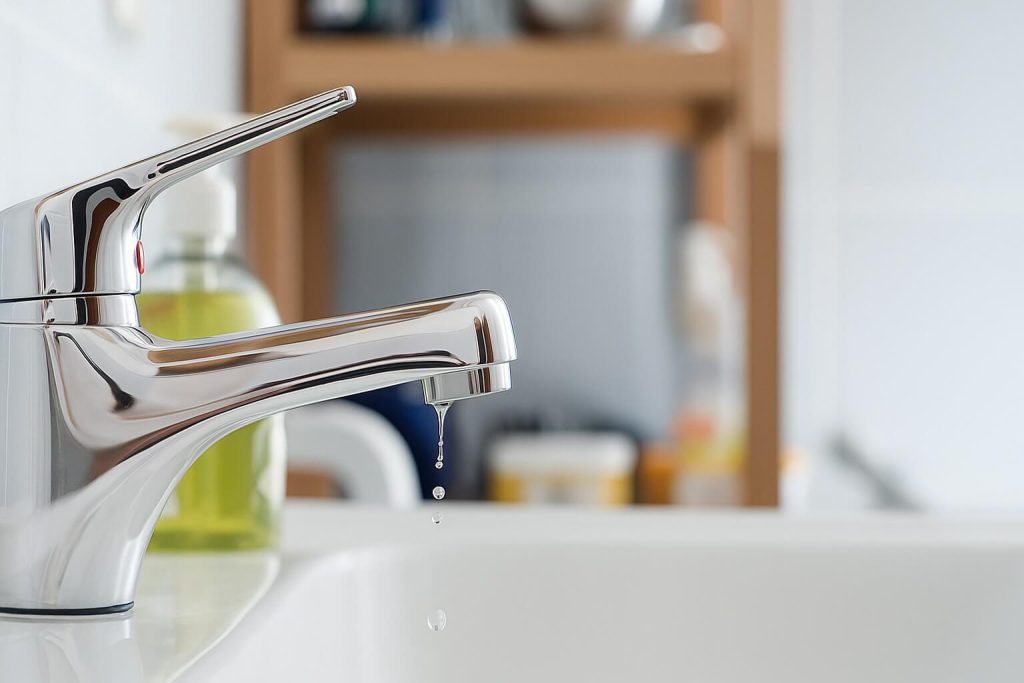
8 novembre 2025A dripping faucet might seem harmless, but even one small leak can waste hundreds of gallons of water every month — driving up your bill and putting extra stress on your plumbing system.
In homes around Atlanta and nearby suburbs like Marietta, Roswell, and Alpharetta, hidden leaks are one of the most common causes of unexpected water costs and moisture damage.
Here’s how to tell the difference between a simple leaky faucet and a hidden plumbing leak, plus what you can do to stop water waste before it becomes expensive damage.
1. The Cost of Ignoring a Small Leak
A single faucet dripping once per second can waste more than 3,000 gallons of water a year.
Besides higher utility bills, this constant moisture can stain fixtures, corrode pipes, and encourage mold growth.
Early leak detection not only saves water — it protects your home’s structure and air quality.
2. The Obvious Leak: Drips, Puddles, and Stains
Some leaks are easy to spot.
If you notice a steady drip from your faucet or a wet spot under your sink, it’s time to act.
Check the connections, washers, and seals — many minor leaks can be fixed by replacing a worn rubber washer or tightening a loose joint.
3. The Hidden Leak: When Water Disappears Silently
Not all leaks are visible.
Hidden leaks often occur behind walls, under floors, or within slab foundations.
Signs include:
- Unexplained increases in your water bill
- Moldy or musty smells
- Peeling paint or bubbling drywall
- The sound of running water when all fixtures are off
If you suspect a hidden leak, call a licensed plumber for a professional inspection. Leak detection equipment can find the problem without tearing open walls.
4. Watch Your Water Meter
One of the easiest ways to confirm a hidden leak is to check your water meter:
- Turn off all taps and appliances that use water.
- Note the reading on your meter.
- Wait one hour without using water.
- If the reading changes, you likely have a leak somewhere in your system.
This simple DIY test can save you from thousands of dollars in future water damage repairs.
5. Don’t Forget Outdoor Fixtures
Leaks don’t just happen inside.
Outdoor hoses, irrigation systems, and underground pipes can leak silently for weeks before you notice damp soil or uneven grass growth.
Inspect your hose bibs and sprinkler heads regularly, especially after freezing weather or heavy yard work.
6. Modern Technology Helps Detect Leaks Early
Today’s homeowners can install smart leak detectors that alert your phone when water flow changes unexpectedly.
These small devices monitor your plumbing 24/7 and can automatically shut off water if a major leak occurs — ideal for busy households or frequent travelers.
7. Call a Professional Before It Gets Worse
If you find any sign of a hidden or persistent leak, it’s best to contact a trusted local plumber.
At ATL Plumber, we use advanced leak detection tools to quickly locate and repair hidden leaks without unnecessary damage to your home.
Early detection keeps your home dry, safe, and efficient — and your water bills low.
Final Thoughts
Whether it’s a dripping faucet or a hidden slab leak, every drop counts.
By staying alert to early warning signs and scheduling regular plumbing inspections, Atlanta-area homeowners can stop small leaks before they turn into costly disasters.
Trust ATL Plumber for reliable leak detection, water line repair, and preventative maintenance throughout the metro Atlanta area.